
When you think of Mennonites in Latin America, you probably picture Mexico or Paraguay. But here’s a surprising fact: Bolivia has the largest Mennonite population in the region. Isolated in rural communities, these groups live a lifestyle that feels like stepping back in time to the 1800s.
Mennonites in Bolivia
The Mennonites are Anabaptist Christians, so they reject infant baptism. They only baptize individuals when they are old enough to decide for themselves. Their beliefs focus on non-violence, simplicity, and spiritual purity. This is why many Mennonites live far removed from modern society.
You might never meet one, and that’s on purpose—they isolate themselves to avoid “corruption” by the outside world. In some ultra-orthodox colonies, there is no electricity, no internet, no phones, and no interaction with non-Mennonites. However, it’s important to note that not all Mennonites are the same.
More modern Mennonite communities exist in Bolivia too. Some use technology, do business with local Bolivians, and even speak Spanish fluently. You might have bought artisanal cheese or fresh dairy in several Bolivian cities; many of those products come from Mennonites.
Why Did They Come to Bolivia?
It wasn’t a straight path. The Mennonites started in the Netherlands and later moved to Germany, Russia, Canada, and Mexico. Each time, they relocated due to their strict beliefs, pacifism, and refusal to conform to national laws like mandatory military service.
By the time they arrived in Bolivia in the 1950s, they sought one thing: the freedom to live according to their religious principles. Bolivia welcomed them and offered land and autonomy. There, they could build farming colonies, educate their children in their own schools, and follow their customs. In return, Bolivia gained some of the most productive agricultural communities in the country.
They speak Plautdietsch, an old form of Low German, and mainly live in the Santa Cruz department, though their communities are spread throughout the eastern lowlands.
A Complicated Reality
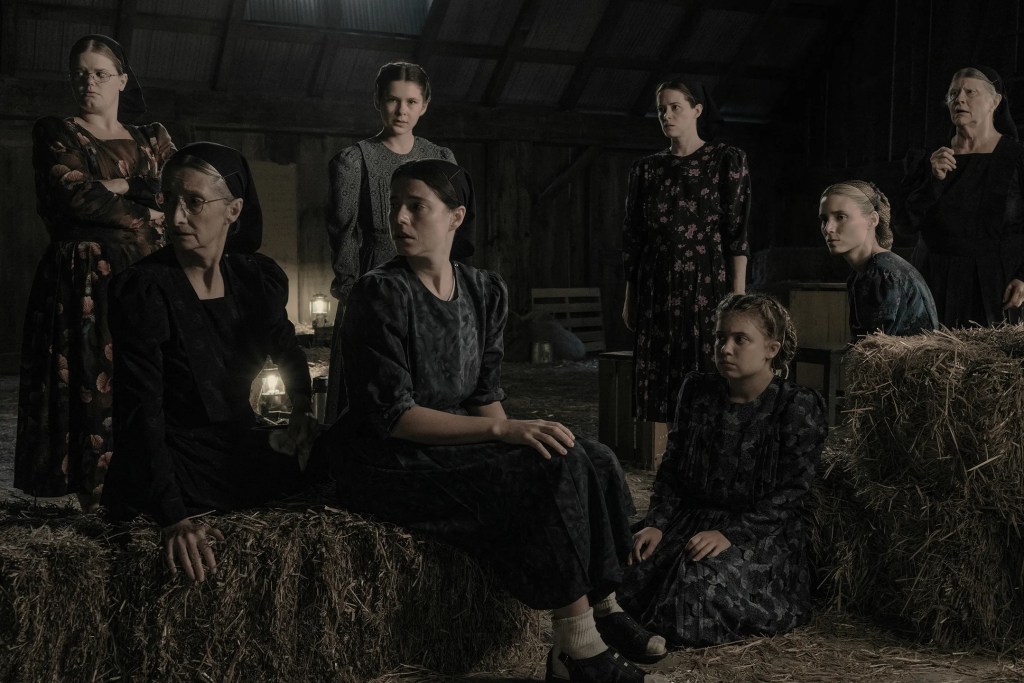
While the peaceful lifestyle of the Mennonites seems ideal, not everything is as perfect as it looks. The Oscar-nominated film Women Talking was inspired by a real-life tragedy involving systemic abuse of Mennonite women in Bolivia—a shocking case that drew international attention. Over the years, multiple reports have emerged about issues within some Mennonite colonies, including environmental problems, internal abuse, and the lack of legal oversight due to their isolation.
These serious allegations remain unresolved in many ways. They remind us that isolation can protect faith, but it can also shield wrongdoing.
Mennonites and Bolivia Today
Love them or criticize them, the Mennonites are now part of Bolivia’s cultural landscape. Their colonies have grown steadily, their dairy products are sold across the country, and they’ve created a quiet, controversial presence.
Many Bolivians view them as hard-working and respectful. Others raise concerns about transparency and accountability. But one thing is clear: there’s nowhere else in Latin America where you’ll find a community quite like the Mennonites in Bolivia.

 All Things Bolivia