
Villa Albina is more than a stunning architectural treasure — it’s a Bolivian love story etched into history. Nestled in the quiet village of Pairumani, just 16 km from the city of Cochabamba, this enchanting estate was built in 1917 by one of Bolivia’s most iconic figures: Simón I. Patiño, known worldwide as the Tin Baron.
A Palace Built for Love
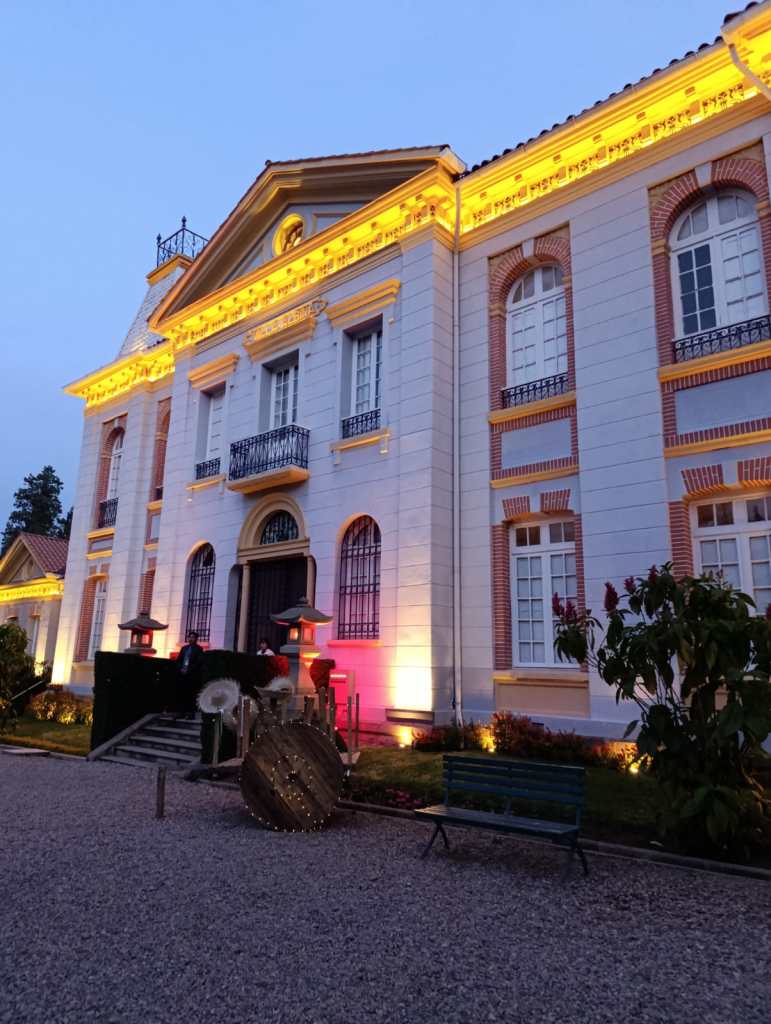
The mansion was a gift from Simón to his wife, Albina Rodríguez, after she fell in love with the Pairumani valley. Inspired by European elegance, the residence was named Villa Albina in her honor and designed by French architect José Turigas, blending Art Nouveau, Art Deco, and Mediterranean-style influences.
It’s a palace full of romance and detail — from Persian carpets to Viennese wallpaper, from marble fountains to crystal chandeliers. Every room tells a story, filled with original furnishings from Europe and Indonesia, as well as personal items that reflect the family’s refined yet intimate lifestyle.
Life Inside Villa Albina
Although Simón I. Patiño died before construction was completed, Albina and their five children: René, Antenor, Graziella, Elena and Luz Mila lived there until 1953, when they moved to Paris after the nationalization of Bolivian mines. The second floor, now open to the public, displays the family’s private quarters, including bedrooms filled with heirlooms, vintage clothes, shoes, makeup, and even period magazines and extinguishers — all preserved as if the family had just left.
Each room has a distinct personality. Children’s bedrooms reflect their individual tastes, and the master suite, crafted in oak, is the epitome of luxury for its time — featuring indoor plumbing and electricity, rare advancements in early 20th-century Bolivia.
The Gardens and Architecture
Set within 16 hectares of lush, walled gardens, Villa Albina is surrounded by native and exotic trees, including rare araucarias, oaks, and magnolias. Two neoclassical marble sculptures by French sculptor F. Cavaroc further elevate the estate’s charm.
The estate includes:
- A central patio and secondary courtyard
- Reception halls, a ballroom, tea room, billiards room, and study
- Hand-carved furniture in Louis XV, Louis XVI, and Empire styles
- Italian Carrara marble lamps and art-deco tapestries
Every detail, down to the door frames and doorknobs, has been lovingly preserved thanks to dedicated caretakers over the decades.
Villa Albina Today: A Museum and Tourist Gem
In 1964, the Patiño family donated the estate to the Patiño Foundation. Since then, it has supported various educational and medical initiatives in Cochabamba. In 2019, Villa Albina officially opened its doors as a public museum, offering visitors a rare glimpse into Bolivia’s aristocratic past.
Now, with the opening of the second floor, visitors can explore intimate aspects of the Patiño family’s life. The exhibit “Don Simón y Doña Albina: Horizontes Compartidos” features historic photographs, documents, and films that go beyond Simón’s legacy as a mining magnate to reveal the warmth and unity of a family that helped shape Bolivia.
Why You Should Visit
Villa Albina is not just a historical home — it’s a living memory of early 20th-century Bolivia. Whether you’re passionate about history, architecture, fashion, or antique design, this majestic estate offers something for everyone. A visit here is a step back in time and a journey through the personal legacy of one of Bolivia’s most influential families. Plan your visit to Villa Albina and experience firsthand the grandeur and love that still linger in its halls, gardens, and timeless design.

 All Things Bolivia