
Did you know that all chili peppers in the world trace their roots back to Bolivia? That’s right—this South American country is the birthplace of the ají, the fiery fruit that adds spice to global cuisines from Mexico to Korea.
The Wild Ancestor: Ulupica
According to DNA studies and the research of botanist William Hardy Eshbaugh, the wild plant known as ulupica, native to Bolivia’s meso-Andean valleys—between Aiquile, Comarapa, and Villamontes—is the mother of all chili peppers. From this small but mighty plant come all varieties of ají, chiles, and even bell peppers used around the world today.
More than 6,000 years ago, pre-Columbian cultures domesticated the ulupica, using it not just in cooking but also in medicine and ritual. Birds are believed to have played a key role in spreading its seeds across continents, making Bolivia the silent force behind global spice.
Bolivia’s Ají: More Than Just Heat
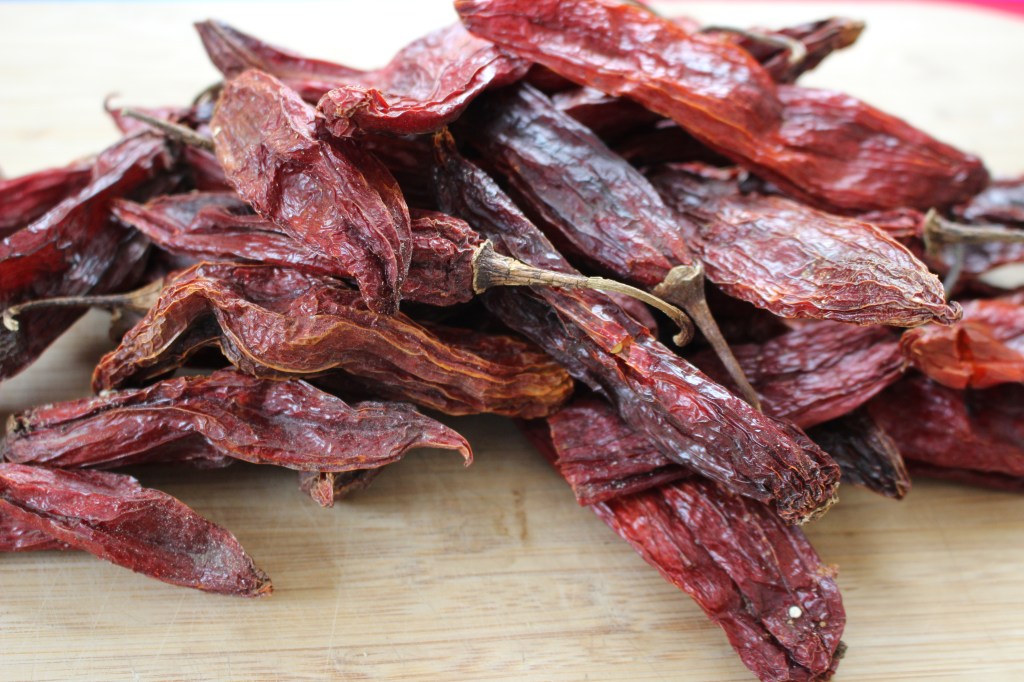
Today, Chuquisaca produces 84% of Bolivia’s ají with varieties that are unique to the region and protected under a denomination of origin. Bolivian chili peppers are rich in capsaicin (the compound that gives them their heat), as well as carotenoids, lutein, vitamin C, and even copper—a nutritional powerhouse!
In Bolivia, ají isn’t just an ingredient—it’s a symbol of identity, culture, and resilience. Traditional varieties include:
- Locoto – Thick, juicy, and extremely spicy
- Aribibi – A tiny, bullet-shaped chili with a serious punch
- Gusanito – A rare, worm-shaped pepper also native to Bolivia
Ají in Bolivian Cuisine
Ají is essential in countless Bolivian dishes. From hearty stews to savory sauces, it’s what brings depth and fire to the table. Some iconic dishes include:
Picante de Pollo
A classic example of ají in action. This dish is made by slow-cooking chicken in a thick sauce of ají colorado, onion, garlic, and tomato. Depending on the region, variations include lamb, llama, pork, or even fish. Spices like cumin and black pepper are added for extra warmth, and breadcrumbs or flour are used to give the sauce a creamy texture.
Each region has its own touch—on the Altiplano, expect smoky heat and rich flavors, while in the inter-Andean valleys, the flavors may be brighter or more herbal.
Ají de Fideo
A pasta-based stew made with spicy ají sauce and usually served with meat or vegetables. Comforting, bold, and very Bolivian.
Llajua: The World’s Oldest Hot Sauce
No discussion of Bolivian spice is complete without mentioning Llajua, Bolivia’s signature chili sauce. Simple but sacred, Llajua is made with tomato, fresh herbs, and locoto pepper. It’s not just a side—it’s a daily ritual.
The word “Llajua” comes from Quechua and literally means “chili sauce.” It’s been part of Bolivian meals since at least the 17th century, when it was used to soften and add flavor to dry foods. Every region has its own version, but the essential ingredients—tomato and Bolivian locoto—never change.
Denver Nicks, author of Hot Sauce Nation, described Llajua as the oldest hot sauce tradition in the world and celebrated how this spicy condiment is alive and well from street vendors in Cochabamba to gourmet restaurants in La Paz.
As Nicks writes in his National Geographic feature, Bolivia’s llajua is “the world’s oldest hot sauce tradition,” found everywhere from humble food stalls to fine dining tables. Read the full article on National Geographic.
“Perhaps the best part,” he said, “is that Bolivia’s ancient chili tradition—whether from street carts or high-end kitchens—is still fiercely alive.”
A Culture That Eats Fire with a Smile
In Bolivia, spice isn’t just tolerated—it’s loved. There’s even a saying: “We don’t put llajua on our food, we put food on our llajua.” And when it comes to the spiciest llajua? Locals joke that it turns out hottest when prepared angry.
Ají is more than a flavor in Bolivia. It’s heritage, health, and heat all in one. So next time you taste something spicy, remember: it all started in the heart of South America.

 All Things Bolivia