
On the night of May 25, 1809, in the heart of Sucre, Bolivia, a powerful sound rang through the colonial streets—the ringing of what is now known as the Campana de la Libertad, or Liberty Bell. This bell did not simply announce the hour; it marked the beginning of a revolution, becoming the voice of the First Libertarian Cry in the Americas.
The Story Behind the Liberty Bell of Sucre
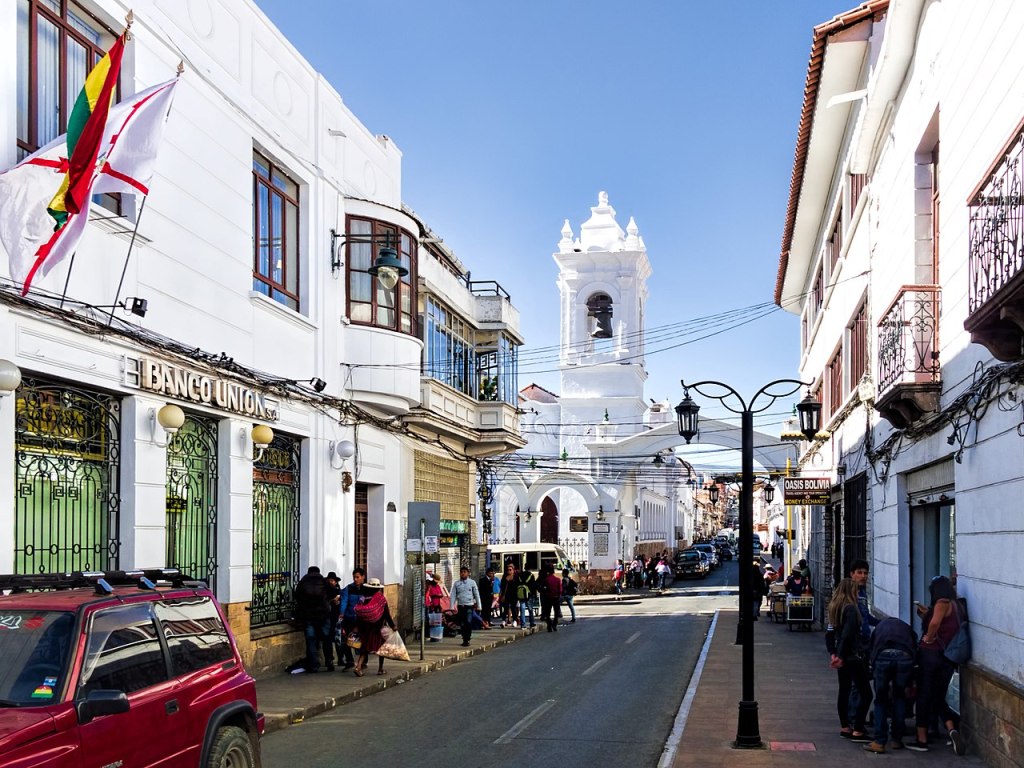
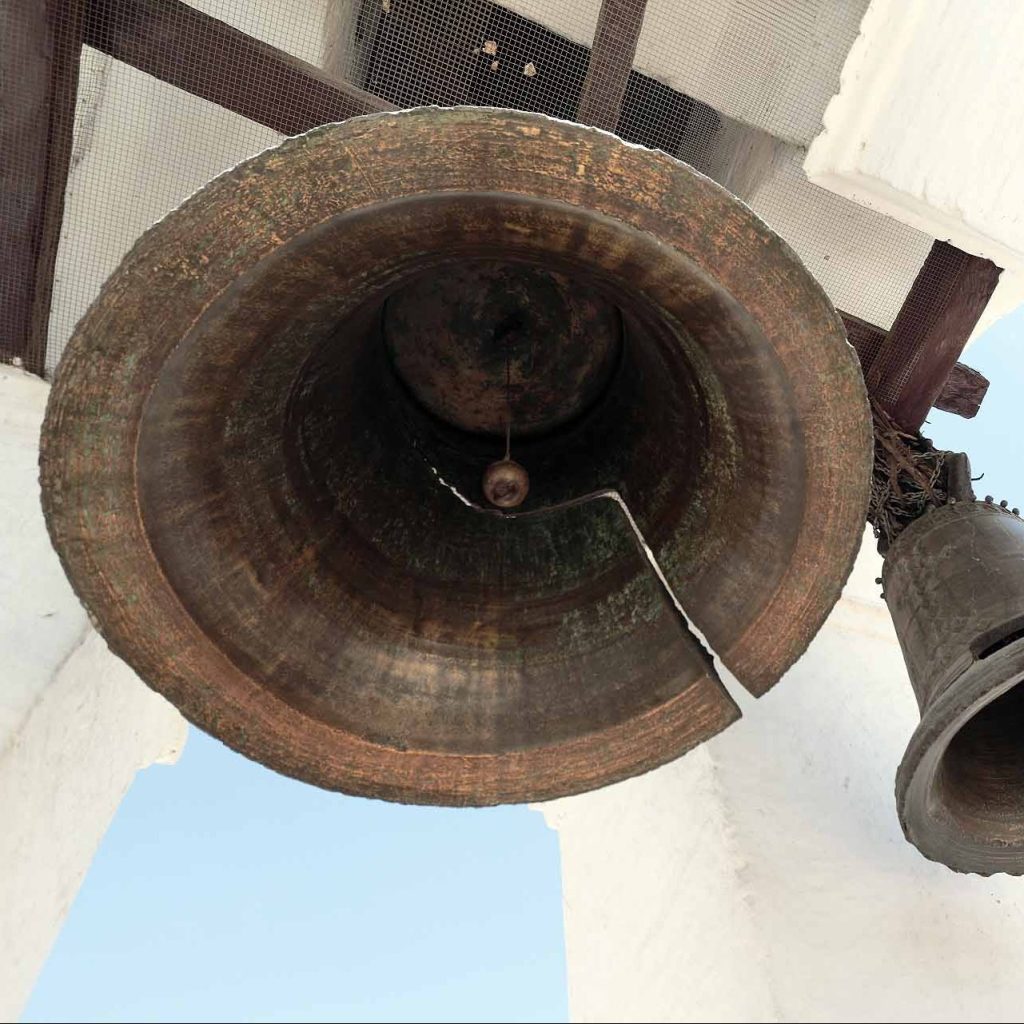
The historic Liberty Bell is housed in the San Francisco Church in Sucre, Bolivia. On the night of May 25,the Lemoine brothers—Nicolás and Marcelino Lemoine, sons of French immigrants— played a key role in igniting what would become the First Cry for Freedom in Latin America. Known in Sucre for their progressive ideals and active support of the growing independence movement, the brothers entered the church and rang the bell throughout the night, calling the people to action. The sound was so intense and prolonged that the bell eventually cracked—a mark it still carries as a lasting reminder of that historic night.
But their act was not an isolated gesture. The Lemoine brothers were part of a larger network of revolutionaries, including local leaders, students, and intellectuals, who had been quietly organizing for months. Their call to freedom echoed far beyond San Francisco Church, as churches across Sucre joined in, ringing their bells in unison. What began as a single bell soon became a city-wide chorus, as Sucre proclaimed its desire for independence—an idea that had been gaining strength under colonial rule for over a year.
This moment is widely recognized as the first official act of independence in Latin America, setting off a wave of revolution that would spread across the continent in the following decades.
A Symbol of Freedom and Memory
Today, the cracked Campana de la Libertad remains a revered symbol of Bolivian identity and freedom, keeping its history and memory alive. It represents the courage of those who dared to dream of liberty and the unity of a city that stood together in pursuit of freedom.
Visiting Sucre offers a unique chance to witness this powerful symbol firsthand and connect with one of the earliest sparks of South America’s independence movements.

 All Things Bolivia